Top materials
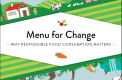
Menu for Change
How are food habits changing around the world? And how are food habits changing the world? This publication of the project “We Eat Responsibly” is the starting point for teachers and students from Eco-schools to explore our food system and why responsible food consumption matters. Published by Glopolis.

Internation Forum Menu for Change
The international Forum for Change Menu took place at Impact Hub in Prague from October 21st to October 23rd, 2016. The event was organized by Glopolis as part of the educational project Menu for Change, which is focused on responsible food consumption. The Forum was attended by 120 lecturers and teachers from many countries who help both students and adults understand the impacts of our food on humanity and our planet.
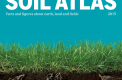
Soil Atlas
The Soil Atlas 2015 provides insights into the current state of the soils on which we depend and highlights the threats posed to them in numerous illustrations and texts. It also supports citizens to make informed decisions, and sketches out pathways to a responsible agriculture and soils policy. Published by Heinrich Böll Stiftung and IASS Potsdam.
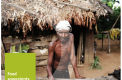
Land, life and justice
Land grabbing occurs when land that was previously used by local communities is leased or sold to outside investors, including corporations and governments. Lean more about this old-new phenomenon in this case study from Uganda. Published by Friends of the Earth.
Story of banana
Bananas are the bestselling fruit in the world. They don't need advertising, everybody wants them. As cheap as possible. Find out what happens with banana before you eat it! (The site was created as a part of the international campaign Make Fruit Fair!)


Meat Atlas for Youth (in German)
A version of Meat atlas made with and for teenagers. Less text and more graphics makes it more enjoyable for all the youth. Only in German. Published by Heinrich Böll Stiftung.
Cutting Deforestation Out of the Palm Oil Supply Chain
This paper by Greenpeace examines efforts by large multinational companies to cut deforestation out of palm oil production. Deforestation was one of the main causes of large-scale wildfires in Indonesia in 2015.
Expiration date
How you ever been confused about expiration dates? You are not alone. But this confusion leads people to waste food that could have been safely consumed. Video made by Harvard Food Law & Policy Clinic.

Law of the Jungle
This report by Finnwatch looks at the impacts of palm oil production in Malaysia and Indonesia, the main countries that produce this commodity. The background section looks into the ecological, social and economic impacts of palm oil production.